
Boone Trace 2027: Walking with History and Purpose
17 Days. 225 Miles
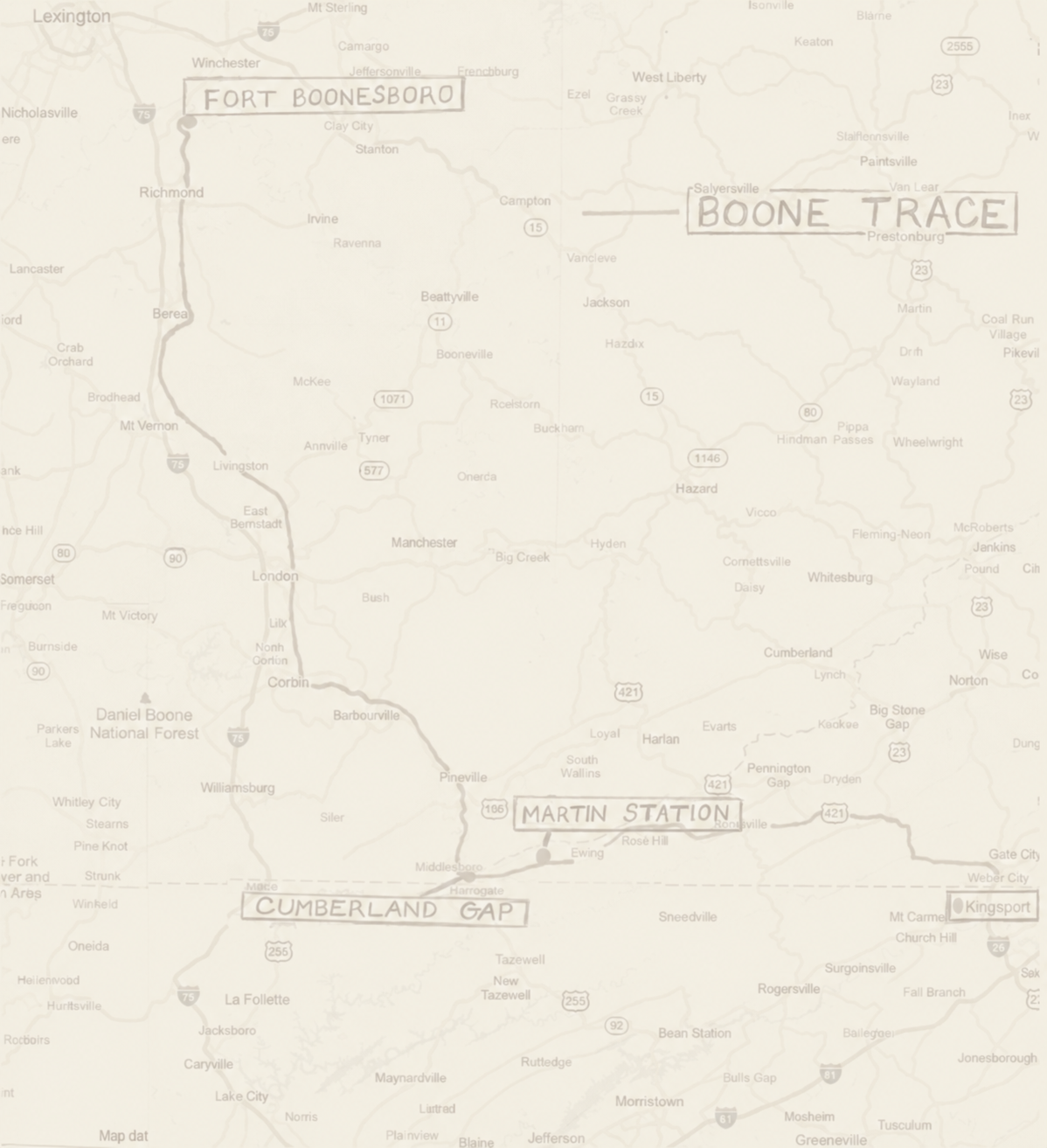
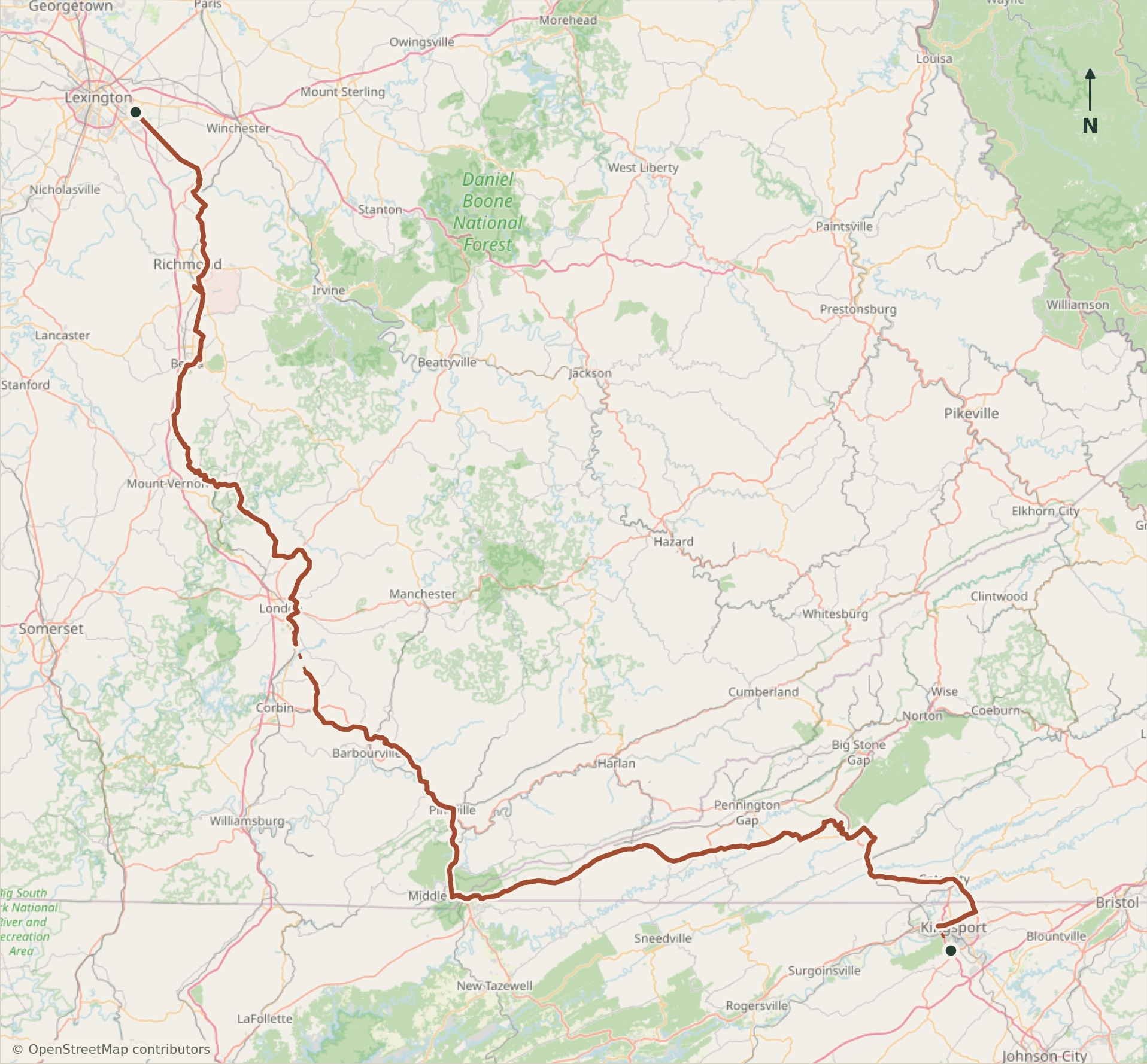
Starting near Kingsport, Tennessee, I’ll walk through southwest Virginia toward Cumberland Gap, then turn north into Kentucky. The route continues through Pineville, Barbourville, and London before reaching the country around Mount Vernon and Berea and approaching Boonesborough.
Over 17 days, I’ll connect stretches of trail with country roads and communities, following Boone Trace as closely as I can. Mountain crossings, river valleys, and nights in camp will shape the journey, giving me time to experience the distance between the historic places I’ve been studying.
Why I’m Walking
In spring 2027, I’ll shoulder my pack and set out on a solo hike along Boone Trace in Kentucky. My aim is to follow the historical route as closely as I can, traveling on foot through the places connected by Boone and his companions’ journey.
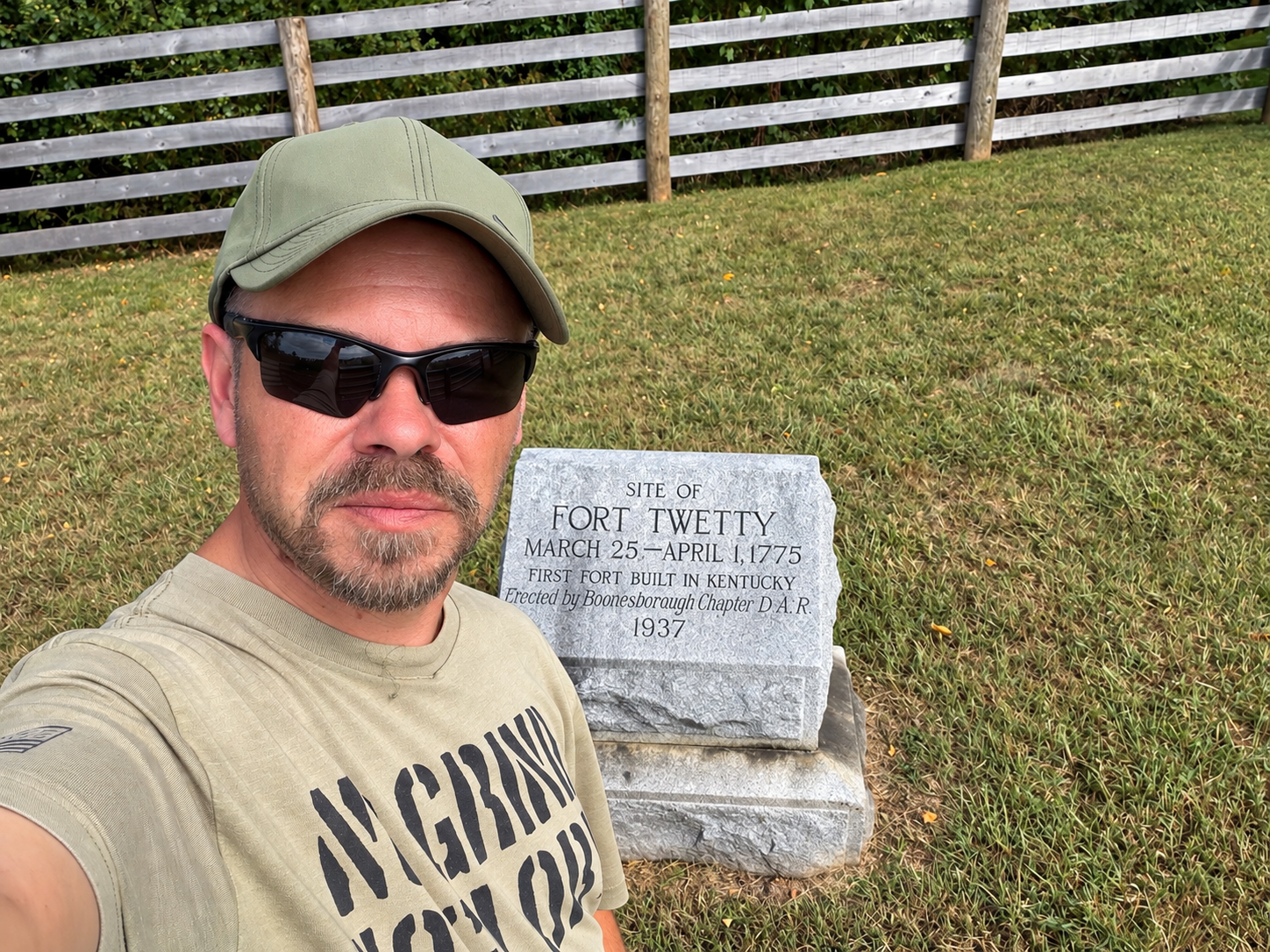
The preparation has already brought me onto stretches of the route—walking trail sections, studying crossings, and learning from people who have spent years tracing its course. Every visit helps me understand what this hike will ask of me and makes me want to spend more time out there.
Hiking has been part of my life for more than six years. The miles have given me time to think, work through difficult days, and pay closer attention to the world around me. On Boone Trace, I’ll bring that same approach to a longer journey, carrying what I need and taking the country as it comes.
Through the hike, I’ll raise awareness of mental health, diabetes, and preserving the Trace. I’ll share the preparation, the miles, the camps, and the experience of walking this ground—one day at a time.
What Is Boone Trace?
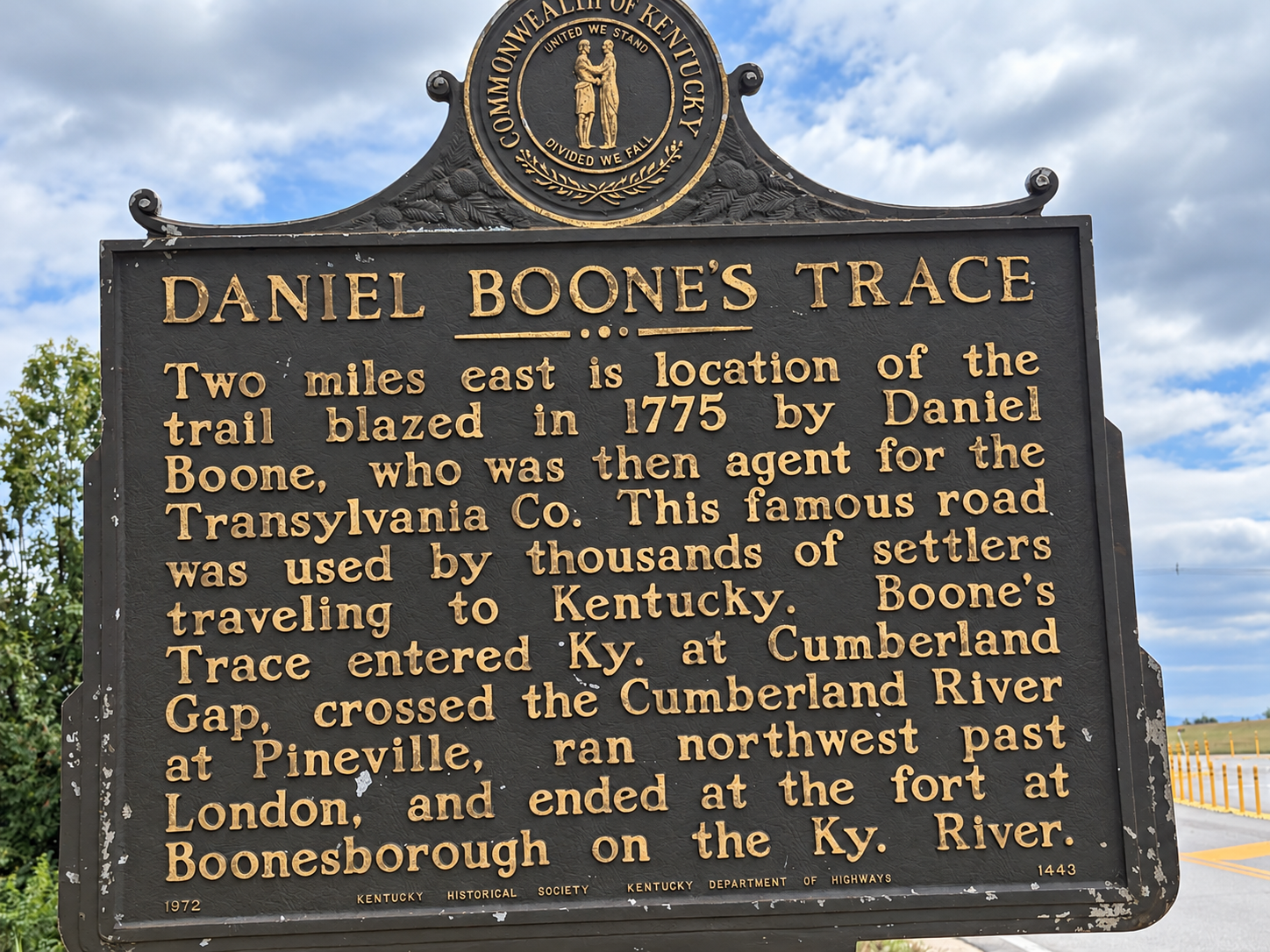
In the spring of 1775, Daniel Boone and a company of roughly thirty men marked and cleared a narrow path through Cumberland Gap to the Kentucky River, where Boonesborough would take shape. Working for Richard Henderson’s Transylvania Company, they followed portions of older paths long traveled by Indigenous peoples.
That route became known as Boone Trace. It helped open Kentucky to colonial settlement, bringing profound changes and displacement to the Native peoples whose homelands settlers entered.
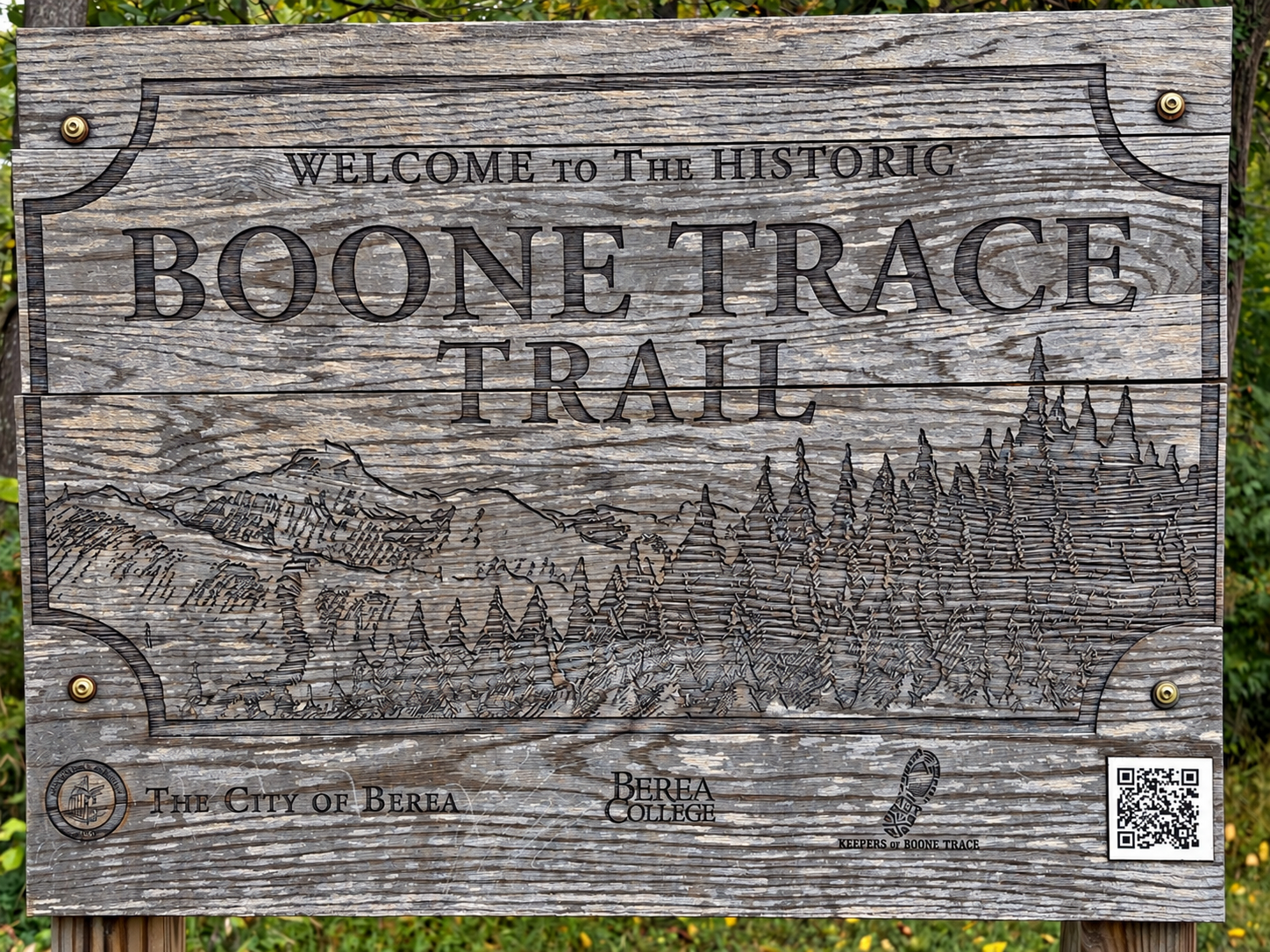
Today, pieces of the Trace remain in wooded paths, roadbeds, and communities. Preserving them keeps a physical connection to this history—and gives those of us walking it a chance to understand the ground beyond the names on a marker.