
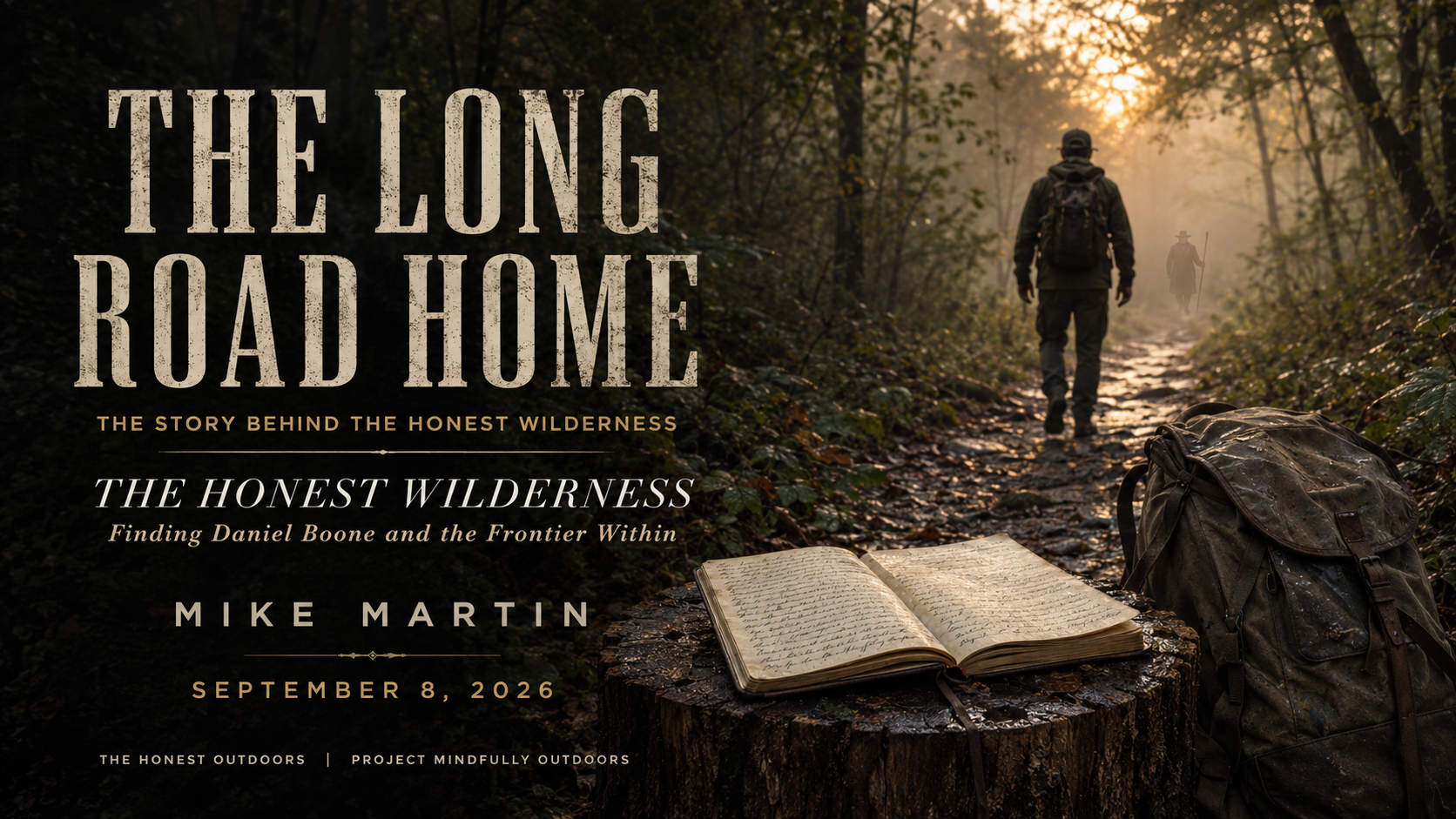
The Long Road Home
The Honest Wilderness: Finding Daniel Boone and the Frontier Within is more than a book about history or the outdoors. Author Mike Martin follows Daniel Boone beyond the legend while confronting loss, identity, resilience, and his own search for a way forward. Built from more than 30 journals and years spent walking through Boone-connected landscapes, the book explores what happens when the familiar map ends—and we must enter the wilderness within.
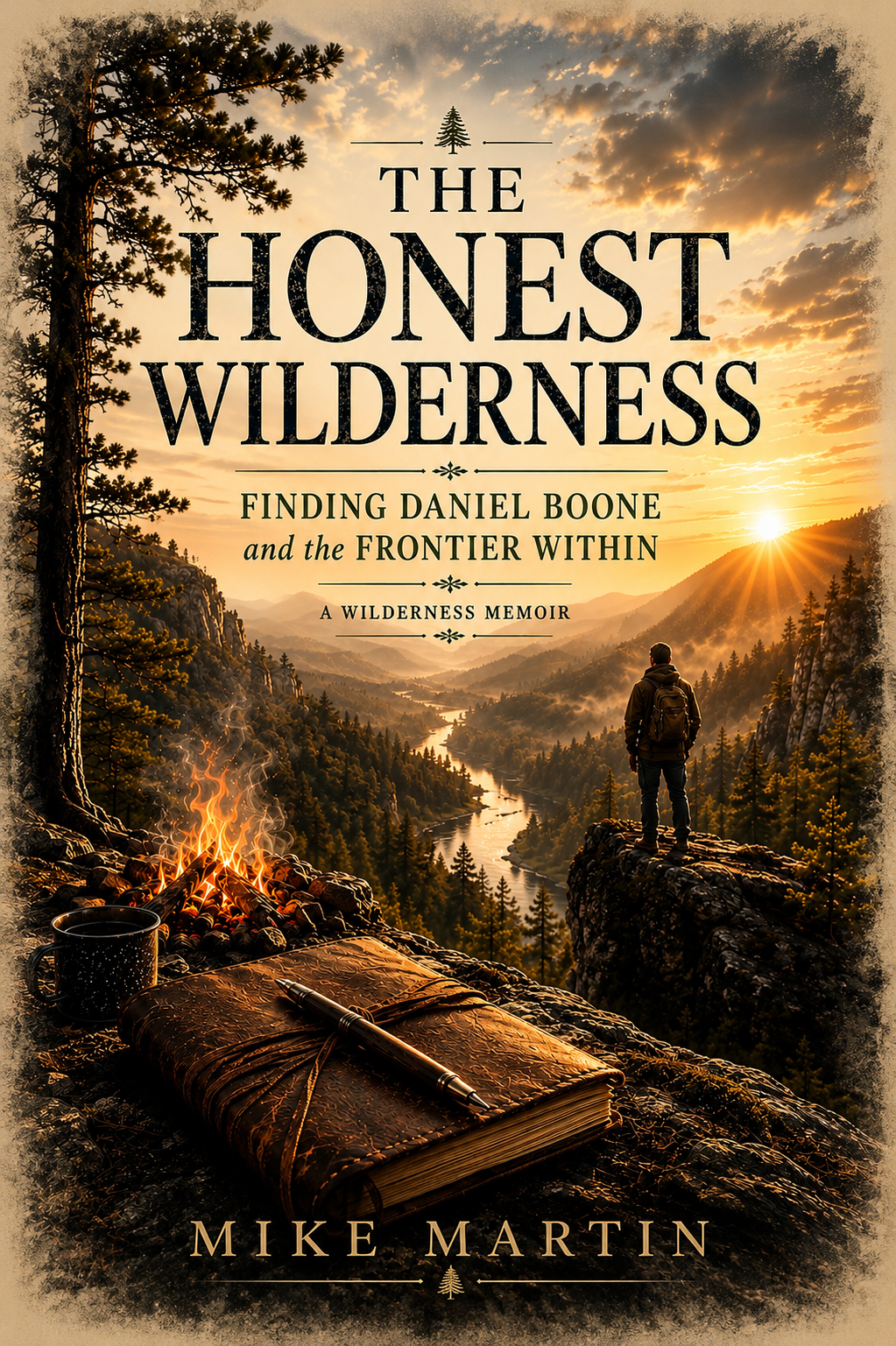
The Honest Wilderness Is Here available
There is a strange moment that comes when something you have carried privately for a long time finally becomes something other people can hold in their hands.
For me, that moment is here.
The Honest Wilderness: Finding Daniel Boone and the Frontier Within is officially available.
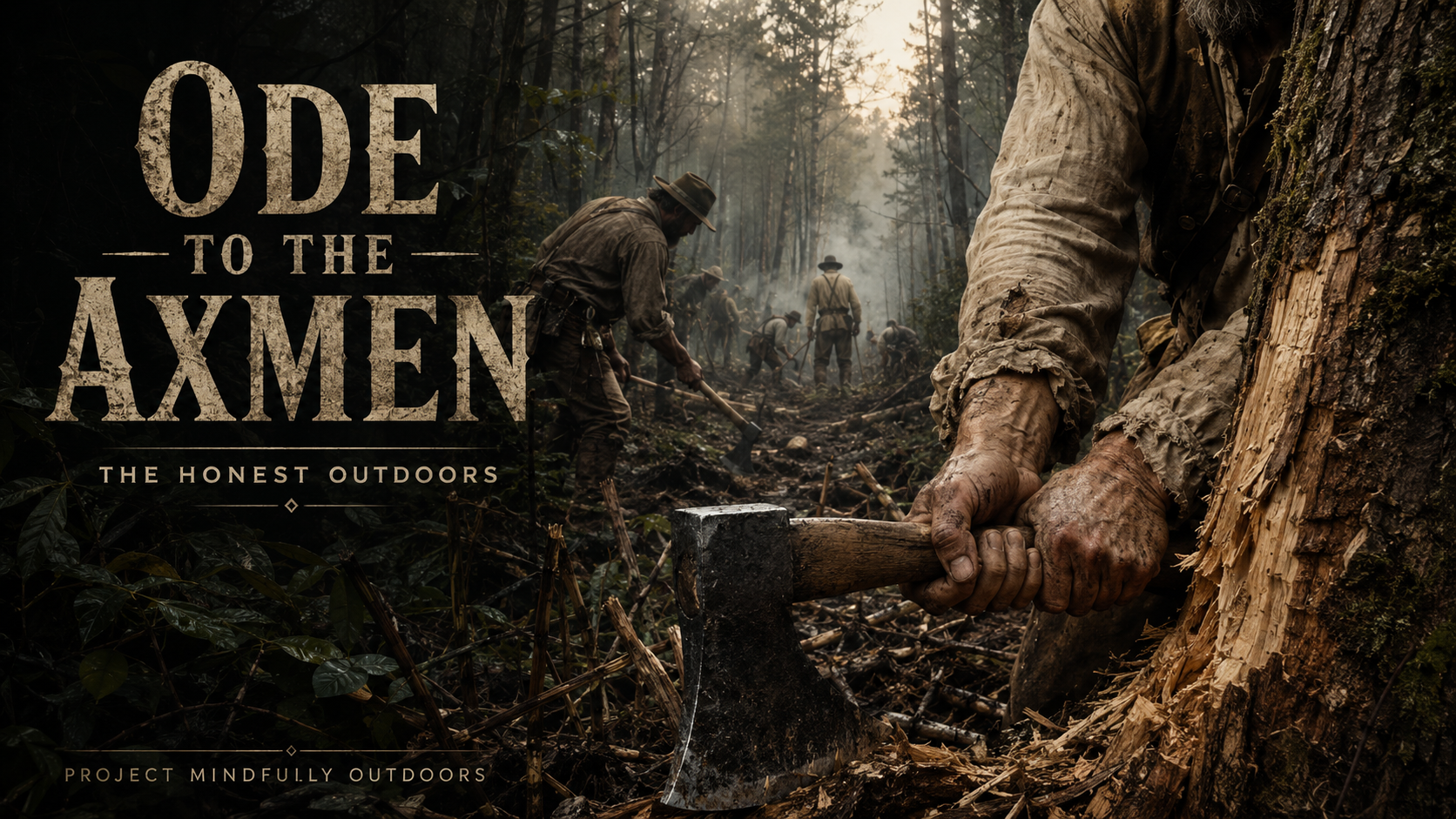
Ode to the Axmen
History remembers Daniel Boone.
Most of the men who raised their axes beside him became little more than “the company.”
Ode to the Axmen steps into the dirt, timber, fear, and exhaustion behind Boone Trace. It remembers the ordinary men who cleared the obstructions, carried the wounded, buried their companions, and returned to the work—not knowing whether history would preserve their names.
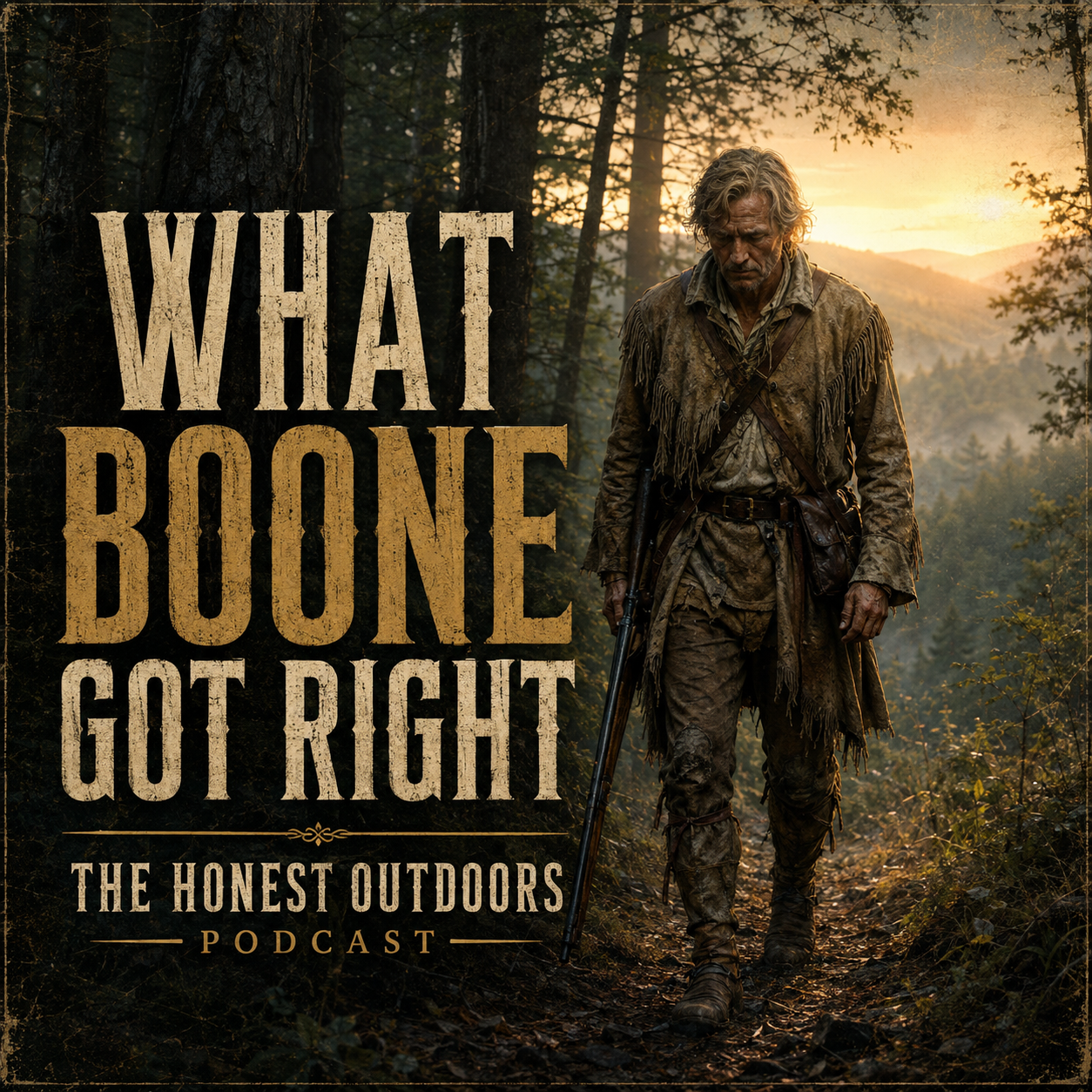
What Daniel Boone Got Right
There is a dangerous version of perseverance that asks people to ignore their pain.
Keep working.
Keep smiling.
Stay productive.
Do not let anyone see that you are struggling.
That is not what I find meaningful in Boone’s story.
Boone turned back first.
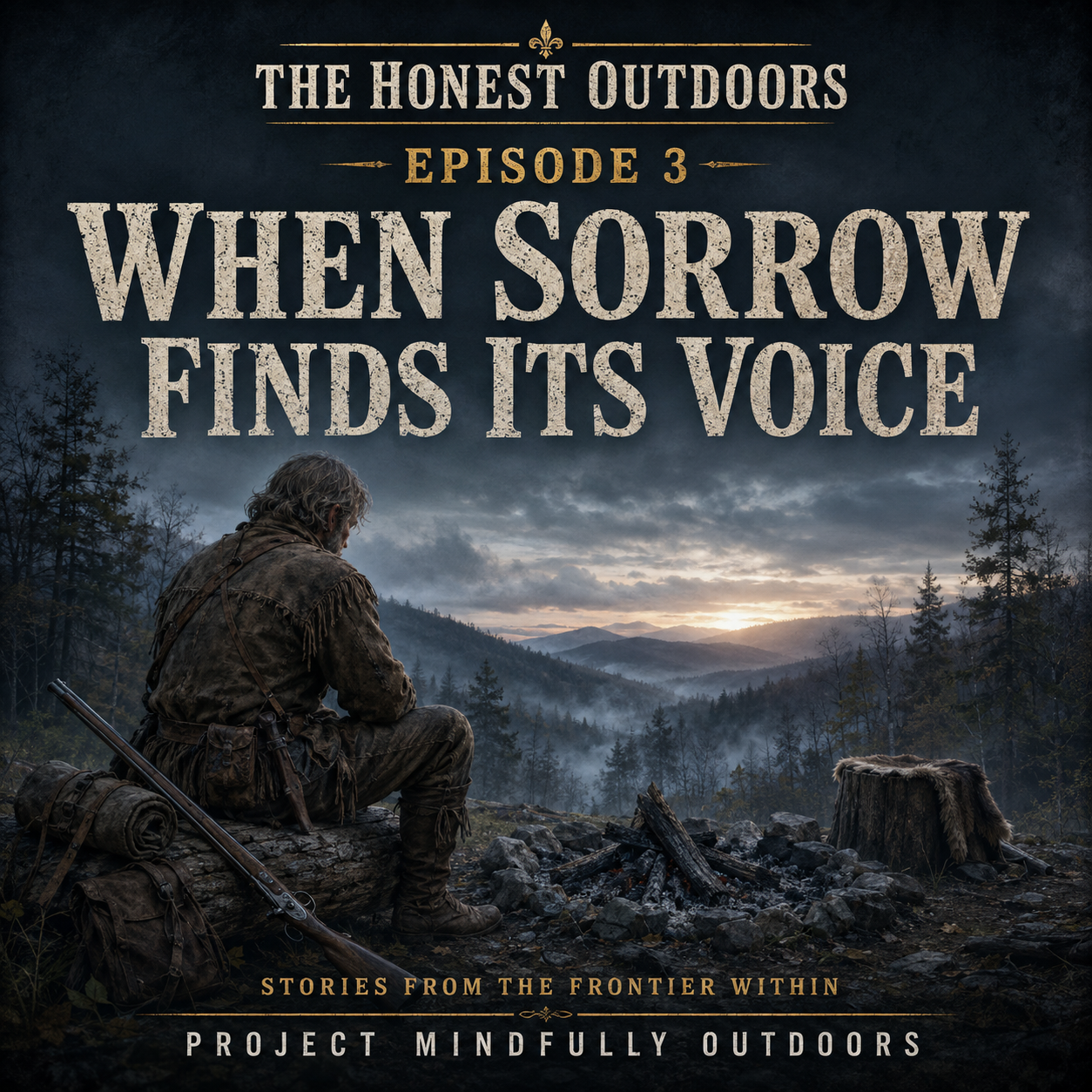
When Sorrow Finds Its Voice
“Sorrow, it is said, will make even an oyster feel poetical.” Crockett’s line survives because it tells the truth with a touch light enough for us to hold. Sorrow creates pressure inside the shell. Eventually, something must give it expression.
Daniel Boone left us no poem about his son. History has preserved no speech in which he explained how a father lives after such a loss.
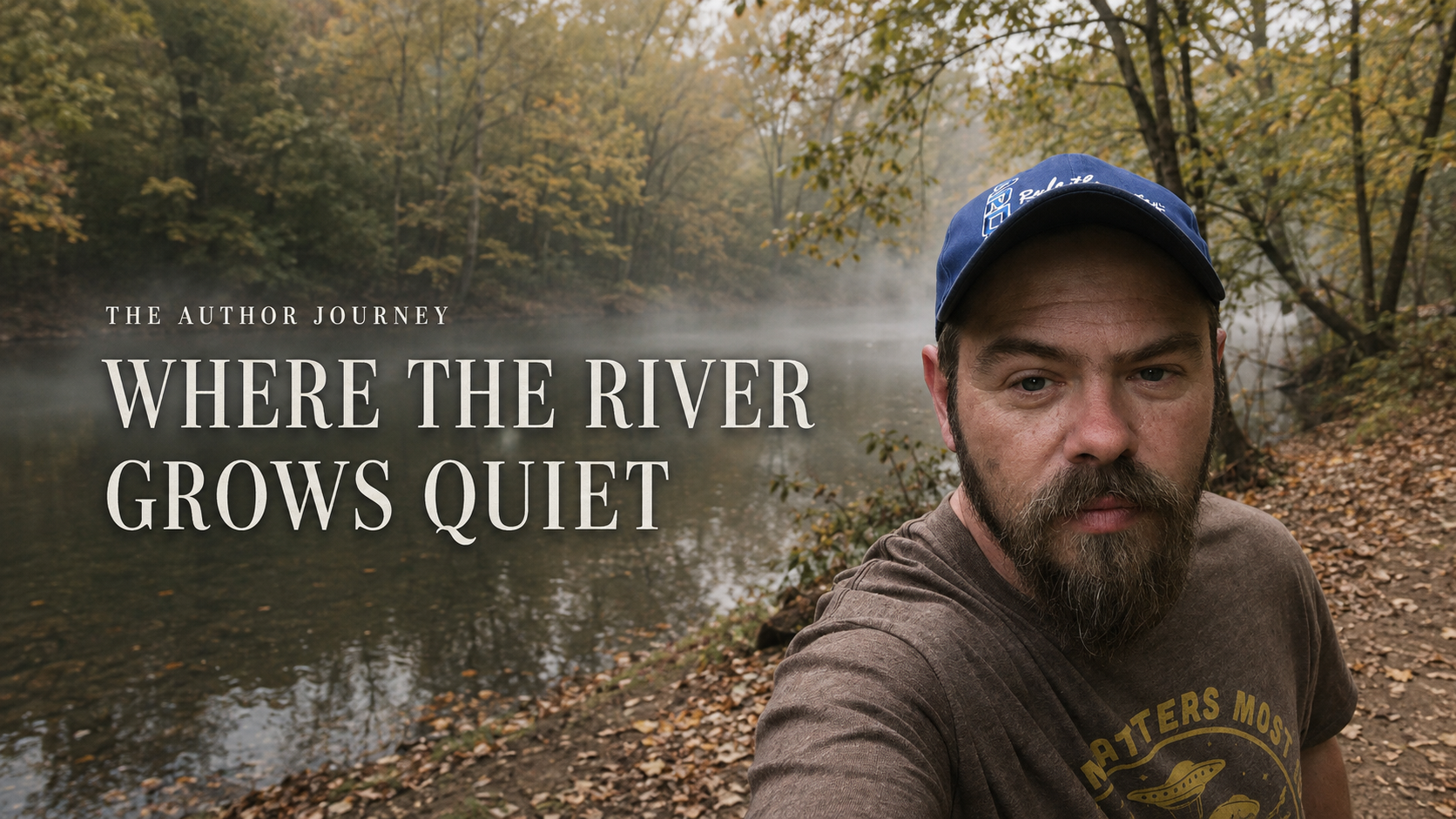
Where the River Grows Quiet
The freezing mist remained over the river.
I could hear the water more clearly than I could see it. The current passed without ceremony, holding its direction beneath a surface that seemed almost still.
That image stayed with me.
Boone’s life did not end in the country most closely associated with his name. He continued west until Kentucky became something behind him—a place of accomplishment, loss, family, conflict, and memory.
What the Wilderness Took—and What It Left Behind
A retreat is an action. Surrender is a conclusion.
The two are easily confused, particularly when life forces us backward. We may interpret the loss of ground as proof that we were never meant to move forward. Shame attaches itself to the return. We imagine everyone else watching us reappear without the success we expected to carry home.
The Passage Between Who We Were and Who We Become
Courage must be accompanied by awareness. A decision can be brave and still carry consequences for other people. A new beginning does not erase responsibility for the ground upon which it is built.
That complexity makes the frontier more relevant, not less. Our personal crossings also affect the people around us. Reinvention can alter families, relationships, communities, and commitments. Finding an honest way forward requires more than asking what we want. It asks us to consider what our choices will cost, what must be repaired, and what deserves to be carried across with us.
Why The Honest Outdoors Exists
There are moments in life when the map we have been following no longer matches the landscape in front of us.
The direction that once seemed clear begins to fade. The trail disappears beneath our feet. The person we thought we were—or believed we were supposed to become—no longer fits the life we are living.
It is usually somewhere inside those moments that the deeper questions begin.
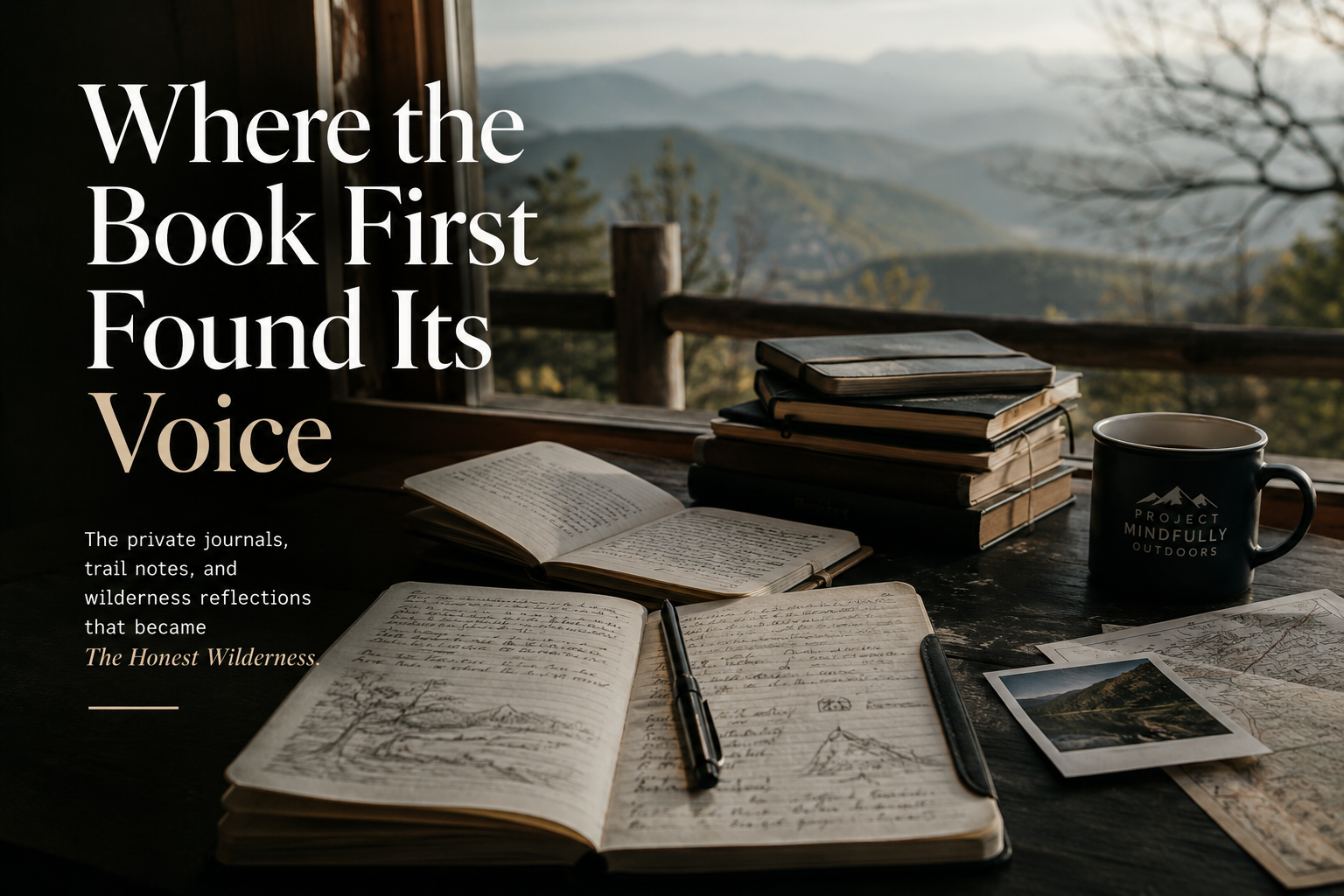
Where the Book First Found Its Voice
Before The Honest Wilderness became a book, it existed as a stack of private journals — raw pages written on the road, in the woods, and in the middle of a life trying to understand what the wilderness was really asking.
The Trail He Left in Me
There was an old radio somewhere near the workbench, playing low in the background. I do not remember every song. I do not remember every word spoken between us. There probably were not many words. My grandfather was not the kind of man who needed to explain every movement. He did not turn ordinary work into a performance. He simply did what needed doing and let me stand there beside him.
The Human Story Behind Daniel Boone
Daniel Boone did not become a legend all at once.
He was made into one.
Part of that began with John Filson, who helped introduce Boone to the American imagination in the late eighteenth century. Filson did not give readers a quiet, ordinary man trying to survive a complicated life. He gave them a Boone who could carry a young country’s hunger for meaning. A Boone who seemed built for memory. A Boone who could stand for courage, expansion, providence, and the promise of new ground.
The Book That Would’t Let Me Go
There are some things in life you choose.
Then there are the things that seem to choose you.
For a long time, I thought The Honest Wilderness was something I was slowly deciding to write. I thought it was an idea I was carrying around, something I would get to when the time was right, when the notes were cleaner, when the path made more sense, when I understood exactly what I was trying to say.
But looking back now, I do not think that is true.

Where Nature and History Become Mirrors for Self-Discovery
At first, these things may seem ordinary. Trees, dirt, water, stone, names on a plaque, dates we half remember from school. But if we stay with them long enough, something begins to shift. The place stops being only a place. The past stops being only the past. Nature and history begin to work on us in a deeper way.
Stories as Maps
We do not need another loud voice, another quick answer, another list of steps, or another person telling us to simply move on. Sometimes what we need is a map.